
Startup Valuation Markdowns
A deep dive into the concept of valuation markdowns

Hi Readers, Happy Saturday!
Today’s edition brings to you the concept of startup valuation markdowns explained with an example of edtech giant Byju’s recent valuation.

What are Markdowns? Markdowns are the reduction of fair value (or market value) of a company’s shares by an investor or a fund. Market values indicate company performance, growth potential, and expected funding in the upcoming rounds.
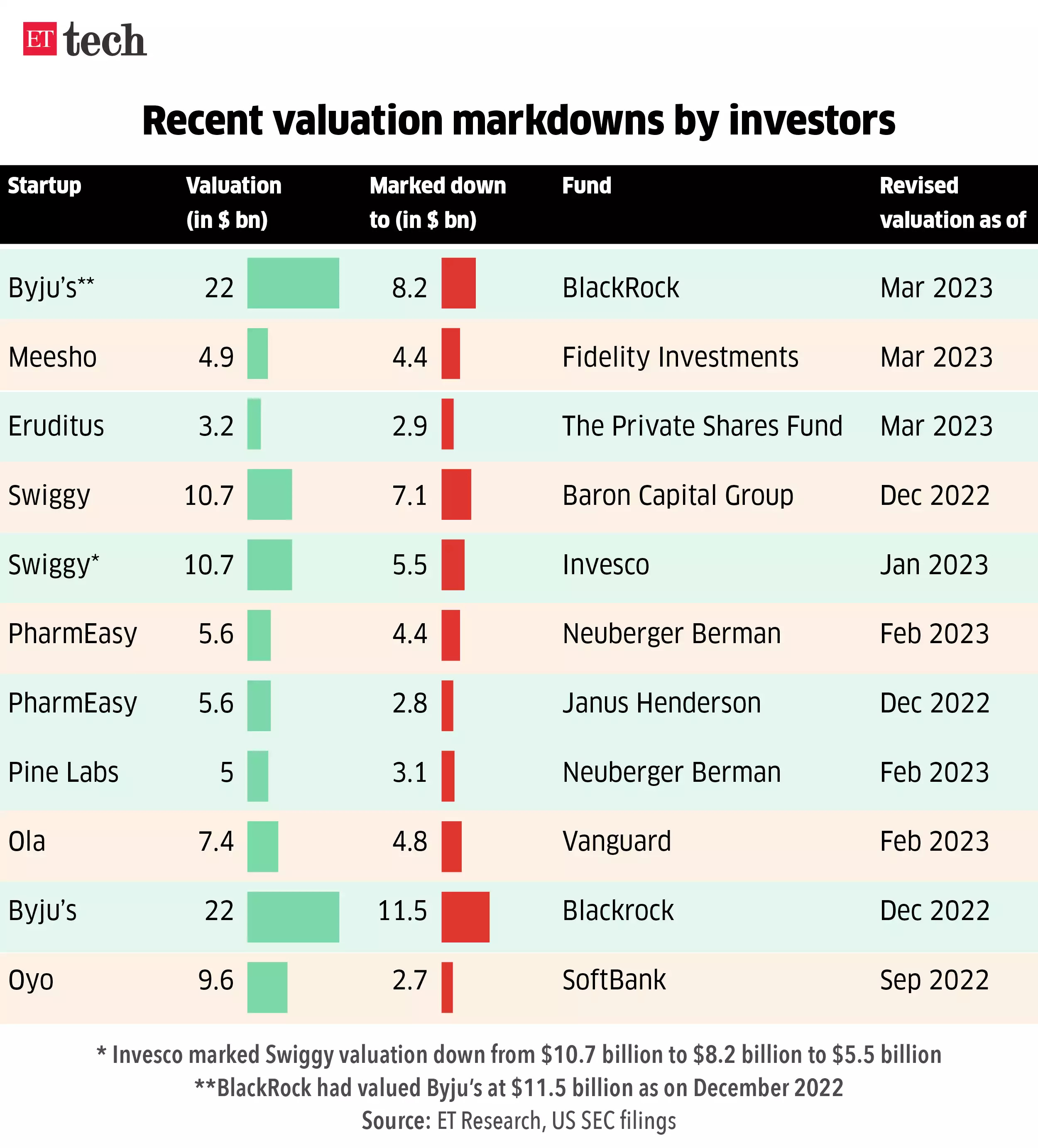
Here’s a list of recent valuation markdowns by investors :
What are the possible reasons? A markdown could be a consequence of many factors like performance, inflation, competition, economic slowdown, regulatory hurdles, or simply the correction of lofty valuations. The reasons for recent markdowns are many:
Some sectors like digital education, e-commerce, digital payments, and healthcare experienced a temporary Covid driven uplift in early 2021, which withered off in 2022, slowing growth.
Start-up stakes were bought in 2021 and early 2022 at lofty valuations, in the hope that a burgeoning Indian middle class would lead to a spurt in consumption. However, inflation and the consequent reduced spending power of consumers resulted in lower demand.
Collapse of US Banks like SVB and alike, which specialized in providing banking services to startups and loans to VCs and PE firms. A bank run left SVB with low liquidity, causing firms and startups into a liquidity crunch and forced sale of assets.
Flight to safety got triggered among other investors making them dump risky assets stocks, bonds, and cryptocurrencies, further reducing valuations.
What are the implications? Markdowns lead to multiple measures of conserving capital through reduced marketing spends, lower discounts for customer acquisition and higher layoffs. They also create stress on sustainable profitability and growth to drive back their valuation upwards. In cases where companies are in dire need of funds, markdowns lead to seeking debt financing as well.
Now that we went through the concepts, let’s understand what drove Byju’s 62.7% valuation markdown.
Take note from the above picture that BlackRock had slashed edtech Byju’s valuation once in Dec 2022 from $22bn to $11.5bn (50% lower). In March 2023 it has been further marked down to $8.2bn. This totals a massive 62.7% markdown and here are some reasons why :
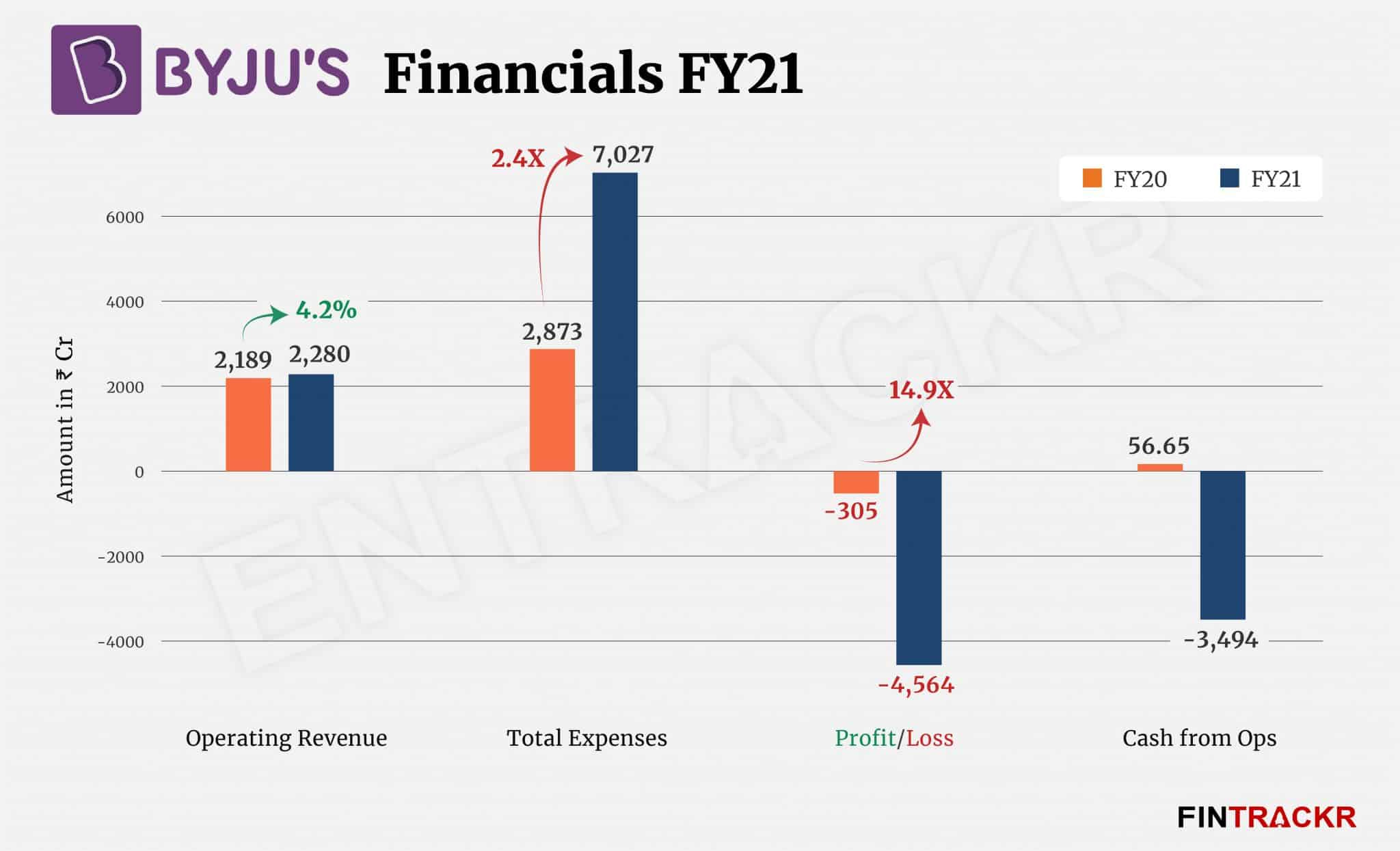
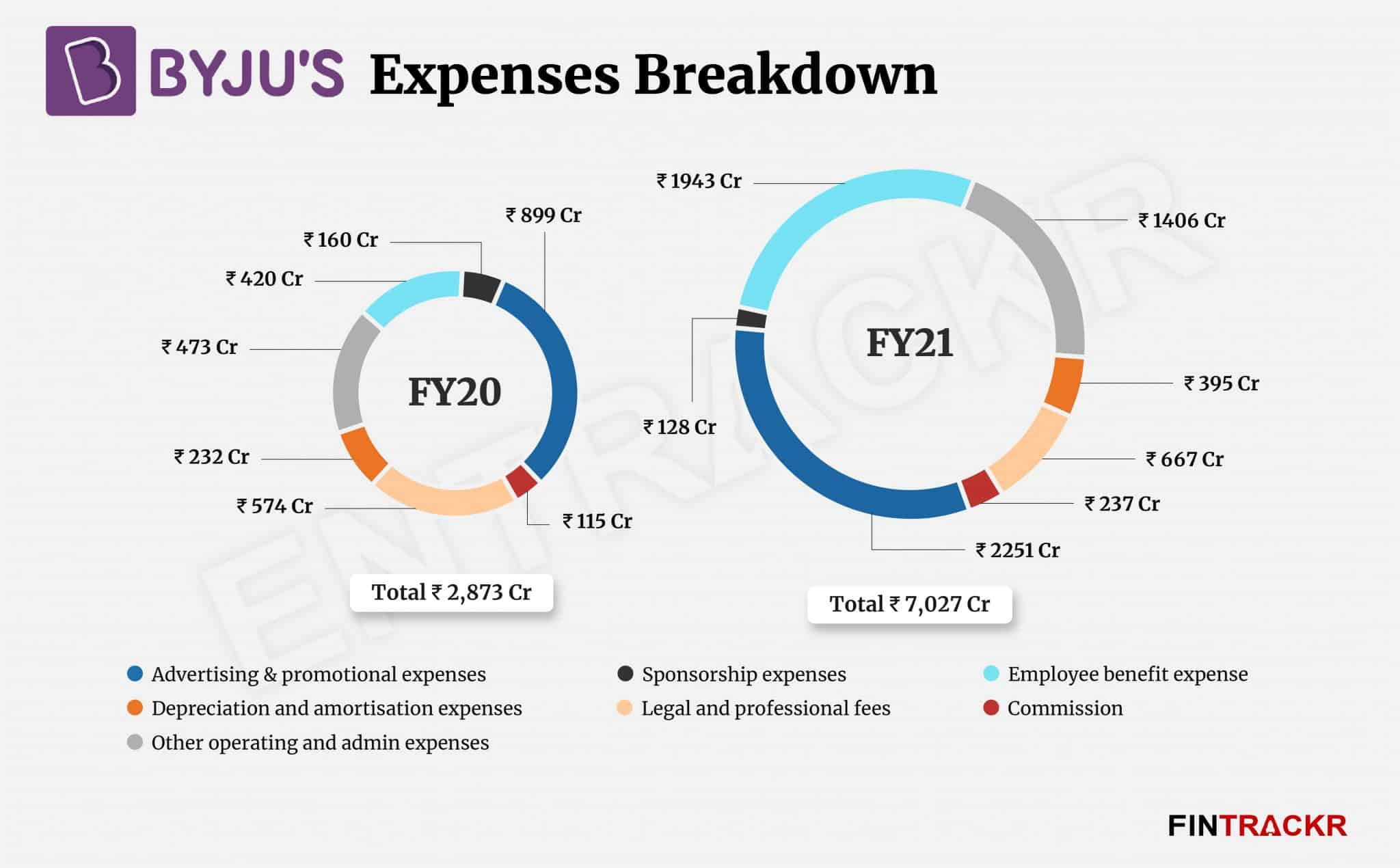
Widening losses due to lavish marketing spend through expensive bets like sponsoring Fifa World Cup, India Cricket team, and celebrity brand ambassadors.
18-month delay in announcing FY21 audited results last year and readjustment of projected financials by auditors.
Worrying trend of poor governance and financial irregularities as the company again misses the deadline to file its FY22 financials with the regulator.
Declining demand for online learning services due to withered off Covid edtech trend.
Low funds in FY22 to pump in customer acquisition, alike FY21 (customer growth was led heavily by record-high promotional costs).
FY22 came with massive layoffs (2,500 to 10,000 range).
Legal disputes with customers over refunds, deficiency of services, and subpar products.
Complaints over its selling practices and toxic work culture.
Criticism for its acquisition spree and integration challenges further expanding its losses
3 major acquisitions in FY21— WhiteHat Jr for $300 Mn, Scholr for $180 Mn and LabinApp for an undisclosed amount.
In FY22 acquisitions of Aakash for $1bn, Singapore-based Great Learning for $600 Mn, Toppr for $150 Mn, US startup Epic for $500 Mn, Tynker for $100 Mn and Whodat, GradeUp, HashLearn and Austria-based GeoGebra for an undisclosed sum.
To conclude although a valuation markdown is indicative of multiple factors,
it’s critical to know that it is not a definitive measure of the startup’s worth. It simply reflects the investor’s own portfolio strategy, risk appetite, or market outlook. A markdown can be perceived differently at different stages of growth. For example, an early-stage investor may have a longer time horizon than a later-stage investor, and may not be concerned by a temporary markdown. Also, a financial investor could view a markdown differently than a strategic investor.
Hence consider such valuation markdowns purely indicative and not a fair value, as the true value of a startup can only be determined by the market demand and supply at the time of exit.
I hope you had a blast learning about such concepts. I’m eager to know what you think, so drop me a line in the Comments.
And if you are passionate about any subject or wish to collaborate, feel free to reach out to me, and we can create something amazing for our next editorial!
-Anupama